





Veterinary Ophthalmology Laser Technology
Controlled laser energy for selected veterinary ophthalmic and periocular applications.
What is Veterinary Ophthalmic Laser Technology?
Laser technology can be used in selected veterinary ophthalmology procedures and therapeutic applications. Wavelength, power and delivery method must be selected according to the specific anatomical target and clinical indication.
Laser Technology
Precision-Controlled Laser Technology for Veterinary Ophthalmology
Veterinary ophthalmic procedures require precise energy delivery, controlled power output and appropriate optical access to delicate ocular tissues.
GIGAA laser systems combine selected ophthalmic wavelengths with precision handpiece and fiber delivery options, allowing clinicians to control laser energy according to the target tissue, procedure and clinical objective.
For veterinary ophthalmology, 810 nm diode laser technology is a primary wavelength option, while 532 nm and 1064 nm may be considered for selected ophthalmic applications depending on the treatment indication and delivery system.
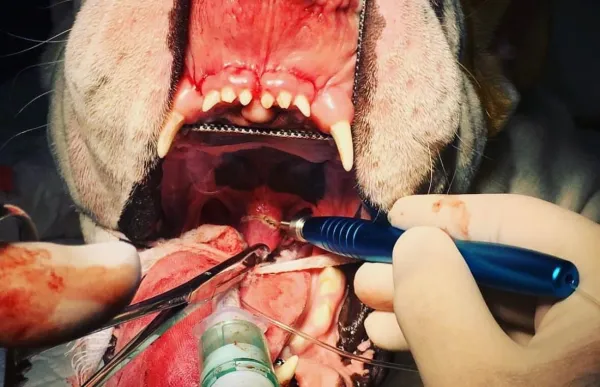
810 nm Diode Laser
810 nm — A Versatile Wavelength for Veterinary Ophthalmology
810 nm diode laser technology is a well-established wavelength platform for selected ophthalmic and periocular soft tissue applications.
Its tissue interaction characteristics allow controlled laser energy delivery for procedures involving ocular and periocular tissues when appropriate power, pulse duration and delivery accessories are used.
Potential Applications
- Periocular soft tissue procedures
- Selected ophthalmic surgical applications
- Ocular surface procedures
- Hemostasis
- Selected retinal or intraocular applications where clinically appropriate
- Photobiomodulation / therapeutic applications
Clinical application depends on the target tissue, laser delivery system, power level and veterinary ophthalmic protocol.
Key benefits
532 nm
532 nm Green Laser for Selected Ophthalmic Applications
532 nm green laser technology provides a distinct optical interaction profile and can be considered for selected ophthalmic applications where green laser energy is clinically appropriate.
Potential Applications
- Selected retinal procedures
- Photocoagulation applications
- Vascular tissue applications
- Selected ophthalmic therapeutic procedures
The appropriate delivery optics and treatment parameters are essential when using 532 nm in ophthalmology.
1064 nm
1064 nm for Selected Ophthalmic and Therapeutic Applications
1064 nm laser technology provides deeper tissue penetration than shorter visible wavelengths and can be considered for selected ophthalmic and therapeutic applications.
Depending on the delivery system and clinical indication, 1064 nm may be used where deeper tissue interaction or specific photothermal effects are required.
Potential Applications
- Selected ophthalmic procedures
- Periocular applications
- Therapeutic applications
- Selected coagulation procedures
- Photobiomodulation / therapeutic applications
Precision Energy Delivery
Why Precision Matters in Veterinary Ophthalmology
Ocular tissues are highly sensitive to laser energy. Precise control of power, exposure time and energy delivery is therefore critical for ophthalmic laser procedures.
GIGAA ophthalmic laser platforms are designed to provide controlled and repeatable laser output, helping clinicians select and maintain the appropriate energy parameters for the intended application.
Precision Power Control
- Fine power adjustment
Allows clinicians to select appropriate output levels for delicate ophthalmic applications.
- Stable Energy Output
Consistent laser output helps improve treatment repeatability.
- Controlled Exposure
Pulse duration and treatment time can be adjusted according to the clinical protocol.
- Dedicated Handpiece
An appropriate ophthalmic handpiece helps deliver laser energy accurately to the intended treatment area.
Ophthalmic Handpiece
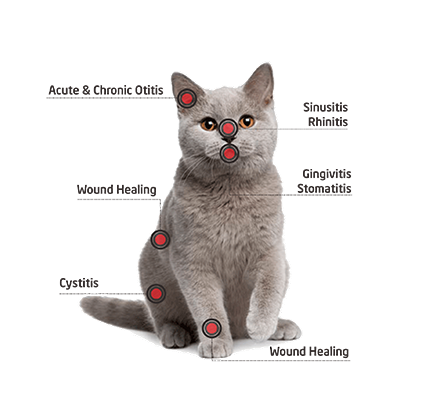

Designed for Precise Ophthalmic Energy Delivery
The handpiece is an essential part of an ophthalmic laser system.
For delicate ocular procedures, the laser source alone does not determine clinical precision. The handpiece, optical delivery system, fiber configuration, output power and operating parameters all contribute to the final energy delivered to the target tissue.
Key Features
- Dedicated ophthalmic handpiece options
- Controlled fiber / optical delivery
- Fine power adjustment
- Stable laser output
- Ergonomic operation
- Precise targeting
Recommended Systems
Clinical Resources
Veterinary Ophthalmology Laser Guide
Veterinary Laser Safety Guide
Clinical Protocols
FAQ
Different laser wavelengths may be used for different ophthalmic applications.
810 nm diode laser is a versatile wavelength option for selected veterinary ophthalmic and periocular procedures.
532 nm green laser may be considered for selected photocoagulation and retinal applications where clinically appropriate.
1064 nm can be considered for selected applications requiring deeper tissue interaction or specific therapeutic effects.
The appropriate wavelength depends on the target tissue, clinical indication, delivery system and treatment protocol.
810 nm provides a versatile tissue interaction profile and can be delivered through appropriate optical systems for selected veterinary ophthalmic procedures.
It can be used for selected ocular and periocular soft tissue applications where controlled laser energy is required.
The actual clinical effect depends on power, exposure time, pulse parameters, delivery optics and target tissue.
Yes, 532 nm green laser technology can be used for selected ophthalmic applications, particularly where green laser energy is appropriate for photocoagulation or retinal procedures.
However, ophthalmic use requires an appropriate delivery system, handpiece and clinically validated treatment protocol.
The wavelength alone does not determine suitability; the complete laser delivery system and clinical application must be considered.
1064 nm can be considered for selected ophthalmic and therapeutic applications depending on the target tissue and clinical objective.
Its deeper tissue penetration characteristics distinguish it from visible wavelengths such as 532 nm.
The appropriate power, exposure time and delivery system should be selected according to the specific veterinary ophthalmic procedure.
Precise power control is particularly important in ophthalmology because ocular tissues are sensitive to laser energy.
The laser system should provide stable and controllable output so that clinicians can select appropriate energy levels according to the target tissue and clinical protocol.
Factors including:
- Output power
- Exposure time
- Pulse duration
- Energy delivery
- Handpiece
- Fiber or optical system
can all affect the final treatment effect.
For veterinary ophthalmology, a laser should therefore be evaluated not only by its wavelength and maximum power, but also by its ability to provide precise and repeatable energy control.
The handpiece is an important part of the laser energy delivery system.
A suitable ophthalmic handpiece allows the clinician to position and deliver laser energy more precisely to the intended treatment area.
The overall accuracy of treatment depends on the combination of the laser source, power control, optical delivery system, handpiece and clinical technique.
For delicate ophthalmic procedures, selecting the appropriate handpiece and delivery configuration is therefore as important as selecting the laser wavelength.
Not Sure Which Laser System Fits Your Application?
Choosing the right wavelength and power configuration is essential for achieving optimal clinical performance.
Our veterinary laser specialists can help you select the right solutio